
The "Iconic" Guide to Branding: Using "Candy" and Layered Assets to Build a Heritage Brand
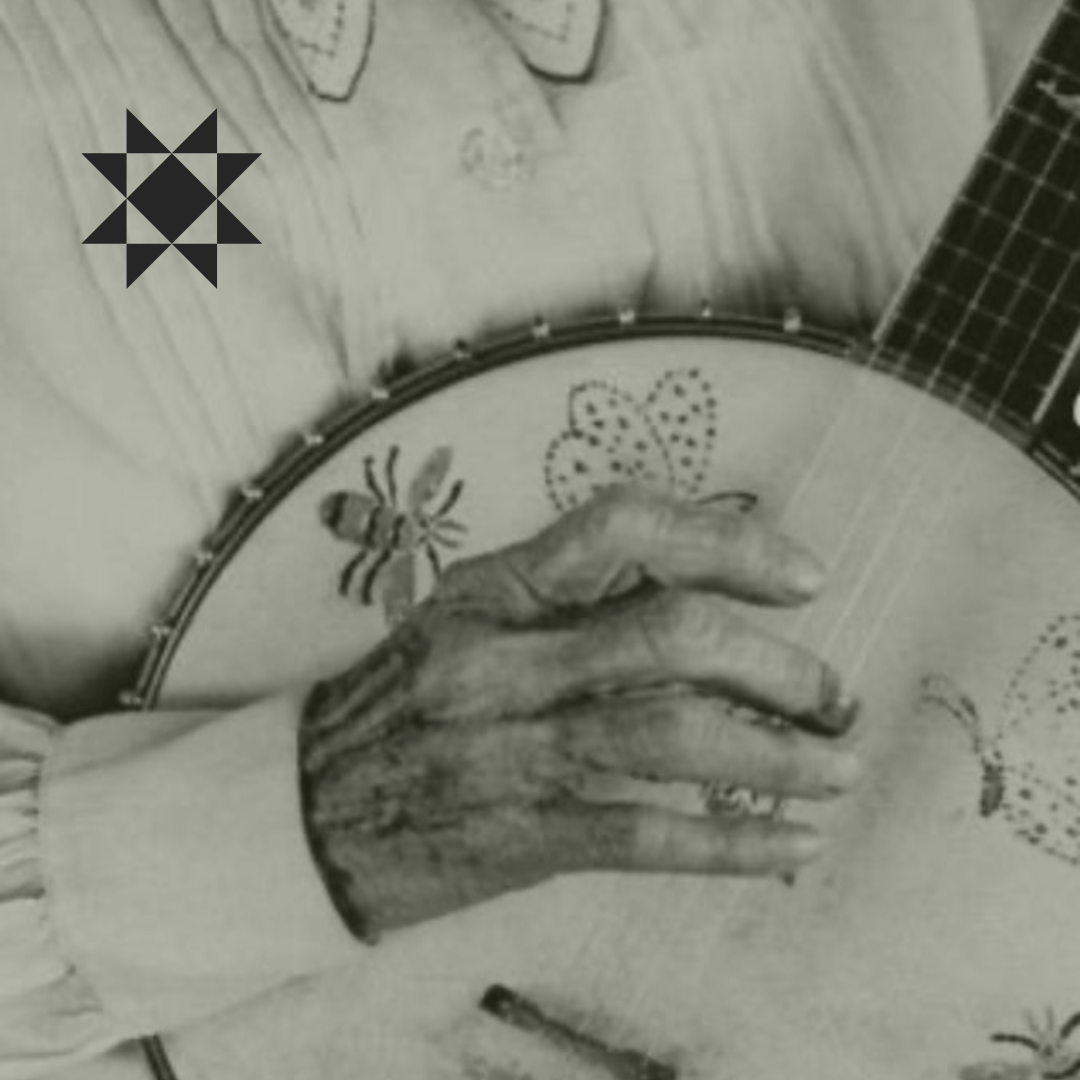
The word "iconic" is tossed around frequently in the marketing world, often used to describe a logo that is simply recognizable. At Appalachian Branding Co., we view the term through a different lens. To us, being "iconic" is a pun on the very icons we craft, those small, intentional graphic elements that serve as the heartbeat of a visual identity. A logo is a signature, but a brand is a story. To tell that story well, we look beyond the single mark. We look toward the layers, the textures, and the "candy" that make a brand feel like a living, breathing heritage.
Building a brand that lasts requires more than just a clean vector file. It requires a sense of place, a commitment to purpose, and a deep understanding of story. We believe that true branding is handcrafted. It is rooted in the soil of where a business began and shaped by the hands of those who lead it. When we talk about an "iconic" guide to branding, we are talking about the architecture of identity. We are talking about how small details, when layered with intention, create a lasting impression that feels both sophisticated and deeply personal.
The Concept of Brand Candy
Every brand needs its "candy." These are the secondary graphic elements that support the primary logo. Think of them as the decorative trim on a well-built home or the intricate stitching on a piece of heirloom furniture. They are small, minimal, and purposeful. In our work, this might look like a delicate cross-stitch pattern, a minimalist ladder-back chair icon, or a compass star.
These elements are not meant to stand alone as the primary identity. Instead, they function as brand accents. They add personality, provide texture, and create a sense of discovery for the audience. When a customer sees a subtle cross-stitch detail on a business card or a small compass star tucked into the corner of a website, they feel a sense of craft. They see that the brand has been handled with care.
This approach is particularly vital for businesses rooted in the service industry. Whether you are in home services, landscaping, or architecture, your work is tangible. It is physical. Your branding should reflect that same level of craftsmanship. By using "candy" elements, we move away from the generic feel of corporate templates and toward something that feels custom and built to last.
The Art of the Layered Narrative
Layering is where the magic of a heritage brand truly comes to life. In an era where digital spaces often feel flat and disconnected, layering provides depth. We do not just place a logo on a photo and call it a day. We curate a visual narrative by blending high-end photography with our "candy" assets.
Imagine a crisp, expansive mountain landscape, the kind of photo that feels editorial and professional. Now, imagine a minimal brand icon, perhaps a compass star, layered subtly over the horizon. This creates a bridge between the physical place and the brand identity. It suggests that the brand is not just an overlay but is actually part of the environment.
This technique allows us to maintain a chic, modern-heritage aesthetic. We avoid the heavy-handed antique filters and weathered textures that can make a brand feel dated. Instead, we lean into clean lines and intentional placement. We want the visuals to feel like a high-end magazine spread, grounded in Appalachian roots but polished for a national stage. By layering these assets, we translate the complex story of a business into a visual language that is easy to digest yet rich with meaning.
Rooted in Place, Purpose, and Story
A brand that lacks a sense of place is a brand without an anchor. For our clients, place is often the foundation of their work. They are building homes in specific valleys, landscaping gardens on particular ridges, and serving communities with long histories. Their branding must reflect this groundedness.
When we develop a brand identity, we begin with a narrative-first perspective. We uncover the core beliefs of the business, shape the visual language to match those beliefs, and translate the entire identity into a cohesive system. This process ensures that every element, from the primary logo to the smallest piece of "brand candy," is essential to the sentence of the brand.
We often talk about branding in triads because balance and stability are core to our philosophy. A brand should be rooted, grounded, and handcrafted. It should offer clarity, connection, and authenticity. It should be built for today, designed for tomorrow, and intended for the next fifty years. This rhythmic approach to brand building creates a sense of reliability. It tells the customer that this business is not a passing trend but a permanent fixture.
Why Longevity Matters for Service Professionals
For those in the service industry, your reputation is your legacy. A landscaper is not just planting trees; they are shaping the future of a property. An architect is not just drawing lines; they are defining the silhouette of a neighborhood. Because the work itself is designed to endure, the branding must do the same.
The "iconic" approach to branding prioritizes longevity over novelty. By using layered assets and meaningful icons, we create a visual system that can grow with the company. It allows a business to maintain a consistent "vibe" even as its specific services or projects evolve. This is the difference between a logo that feels like a temporary sticker and a brand that feels like a permanent mark of quality.
We encourage our clients to think like master artisans. An artisan does not rush the make. They consider the grain of the wood, the weight of the tool, and the history of the craft. We apply that same level of intentionality to digital marketing and website design. You can see this philosophy in action through our insights on the ROI of a story, where we discuss why branding is the engine of your sales, not just a coat of paint.
Building the Neighborhood Narrative
One way we bring this "iconic" layering to life is through what we call Neighborhood Narrative Hubs. Instead of using generic SEO templates to reach local customers, we build landing pages that feel like micro-market essays. These pages blend the lifestyle feel of the area with the technical specs of the work and the proof of the story.
By using "candy" elements on these localized pages, we can make a large service company feel like a local neighbor. It is a way of showing that the business understands the specific soil, the specific constraints, and the specific beauty of a place. This creates a sense of warmth and safety for the client. They feel that they are in the hands of someone who knows their home because the brand itself feels like home.
The "Iconic" Path Forward
Creating an iconic brand is a journey of discovery. It requires a willingness to look deeply at what makes a business unique and the patience to craft a visual identity that reflects that uniqueness. It is about more than just aesthetics. It is about creating a connection that is honest, authentic, and enduring.
If you are looking to build a brand that is rooted in place and built to last, consider the power of the layer. Think about the small icons that could tell your story. Consider how your photography can be elevated by the "candy" of your brand.
At Appalachian Branding Co., we are here to help you navigate this process. Whether we are shaping your digital presence or uncovering the signal in the noise, our goal is always the same: to craft a story that truly connects.
The path to an iconic brand is paved with intention. Every line, every icon, and every layer should serve a purpose. When these elements come together, the result is a brand that does not just stand out in the moment but stands the test of time. It becomes a heritage brand, one that is recognized for its quality, respected for its history, and remembered for its story.
Explore more about our approach to human-proof branding or learn how we balance story and search to ensure your brand is found by those who need it most. Your story is the only thing that truly cuts through the noise. Let's make sure it is told with the craft it deserves.
